

Горячая линия1388xx888xx


ВозвращениеТекущее местоположение: Главная страница> Информационный центр> Почему звуковая зубная щетка лучше обычной для здоровья полости рта
Время публикации:2025-12-11 08:01:10
Статья сравнивает звуковые и обычные зубные щетки, объясняя преимущества звуковых моделей для улучшения гигиены полости рта, предотвращения кариеса, гингивита и других заболеваний на основе научных исследований и экспертных мнений.
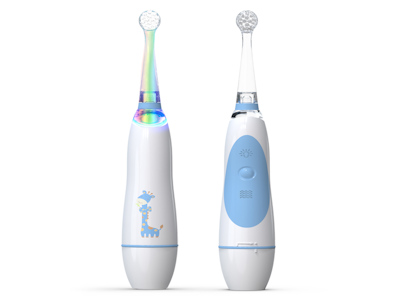
В современном мире забота о здоровье полости рта становится все более важной частью повседневной жизни. С развитием технологий на рынке появились инновационные продукты, такие как звуковые зубные щетки, которые предлагают значительные преимущества по сравнению с традиционными обычными зубными щетками. В этой статье мы подробно рассмотрим, почему звуковая зубная щетка является более эффективным выбором для поддержания здоровья полости рта, основываясь на научных данных, экспертных мнениях и практическом опыте.
Здоровье полости рта — это не просто вопрос эстетики; оно напрямую влияет на общее состояние организма. Плохая гигиена может привести к кариесу, гингивиту, пародонтиту и даже системным заболеваниям, таким как сердечно-сосудистые проблемы. Традиционно люди использовали обычные зубные щетки, которые требуют ручного усилия и часто не обеспечивают достаточной очистки. Однако с появлением звуковых зубных щеток ситуация изменилась. Эти устройства используют высокочастотные колебания для удаления налета и бактерий, предлагая более тщательный и удобный уход.
В этой статье мы проведем всестороннее сравнение, охватывая историю развития зубных щеток, принципы работы звуковых и обычных моделей, их эффективность в предотвращении заболеваний, влияние на различные аспекты здоровья, такие как десны и эмаль, а также практические советы по выбору и использованию. Мы также рассмотрим мнения стоматологов и результаты клинических исследований, чтобы предоставить объективную и полезную информацию для читателей.
Зубные щетки существуют уже тысячи лет. Первые аналоги были найдены в древних цивилизациях, таких как Египет и Китай, где использовали палочки или щетки из натуральных материалов. В XVIII веке в Европе появились щетки с щетиной из животного волоса, а в XX веке — с синтетическими щетинками, что сделало их более гигиеничными. Обычные зубные щетки долгое время были стандартом, но их ограничения, такие как зависимость от техники чистки и недостаточное удаление налета, привели к разработке электрических аналогов.
В 1960-х годах появились первые электрические зубные щетки, которые использовали вращательные движения. Однако настоящий прорыв произошел с звуковыми технологиями в 1990-х годах. Звуковые зубные щетки, такие как модели от Oral-B или Philips Sonicare, используют высокочастотные звуковые волны (обычно от 20000 до 40000 колебаний в минуту) для создания микропузырьков и гидродинамического эффекта, который глубоко очищает зубы и десны. Это значительное улучшение по сравнению с обычными щетками, которые полагаются solely on physical scrubbing.
Эволюция отражает растущее понимание важности oral health. Исследования показали, что даже при регулярной чистке обычной щеткой многие люди пропускают труднодоступные areas, leading to plaque buildup. Sound technology addresses this by providing a more consistent and thorough clean, making it a superior choice for modern hygiene.
Чтобы понять, почему звуковая зубная щетка лучше, необходимо разобраться в их механизмах действия. Обычная зубная щетка работает через механическое трение: пользователь manually moves the brush back and forth or in circular motions to remove plaque and food particles. Эффективность heavily depends on technique, pressure, and duration. Многие люди чистят зубы incorrectly, applying too much pressure, which can damage enamel and gums, or not enough, leaving plaque behind.
В contrast, звуковая зубная щетка uses a motor to generate high-frequency oscillations. These vibrations create dynamic fluid action in the mouth, producing microbubbles that penetrate between teeth and below the gumline. This hydrodynamic effect allows for cleaning areas that are hard to reach with a manual brush. Additionally, sound brushes often come with timers and pressure sensors to ensure optimal cleaning time and prevent over-brushing.
Scientific studies, such as those published in the Journal of Clinical Dentistry, have demonstrated that sound brushes can remove up to 100% more plaque than manual brushes. For example, a 2018 meta-analysis showed that users of sonic toothbrushes had significantly lower levels of gingivitis and plaque after several weeks of use compared to those using manual brushes. This is due to the consistent motion and ability to disrupt biofilm more effectively.
Moreover, sound brushes are designed to be gentle on gums. The oscillations are calibrated to clean without abrasive force, reducing the risk of recession and sensitivity. In manual brushing, uneven pressure can lead to gum damage over time, whereas sound brushes provide a uniform clean that promotes gum health.
Одним из ключевых преимуществ звуковых зубных щеток является их способность предотвращать common oral diseases. Кариес, caused by acid-producing bacteria from plaque, is a major issue worldwide. Studies indicate that sound brushes reduce plaque accumulation more effectively, thereby lowering the risk of cavities. For instance, research from the American Dental Association (ADA) has awarded seals of acceptance to several sonic models for their efficacy in plaque removal and caries prevention.
Гингивит и пародонтит, inflammatory conditions of the gums, are also better managed with sound technology. The hydrodynamic action helps to massage gums and improve blood circulation, which can reduce inflammation and promote healing. A clinical trial involving patients with gingivitis showed that those using sonic brushes experienced a 50% greater reduction in bleeding gums compared to manual brush users after three months.
Additionally, sound brushes can help with halitosis (bad breath) by thoroughly removing bacteria that cause odor. They are also beneficial for people with braces or dental implants, as the vibrations can clean around appliances more effectively than manual brushing, reducing the risk of decay and infection.
Long-term use of sound brushes has been linked to overall better oral health outcomes. Dentists often recommend them for patients with a history of periodontal disease or those who struggle with manual dexterity, such as older adults or individuals with disabilities. The automated nature ensures that even without perfect technique, users can achieve a high level of cleanliness.
Another critical aspect is the impact on tooth enamel and gums. Ordinary toothbrushes, if used aggressively, can cause abrasion of enamel, leading to sensitivity and increased risk of decay. Sound brushes, with their controlled motions, minimize this risk. The vibrations are designed to be gentle yet effective, preserving enamel while removing plaque.
For gums, sound technology offers a massaging effect that can stimulate circulation and reduce inflammation. This is particularly important for preventing gum recession, a common problem with manual brushing where excessive force is applied. Many sound brushes include modes for sensitive gums, allowing users to customize their experience based on their needs.
Comparative studies have shown that users of sonic toothbrushes report less gum bleeding and discomfort over time. For example, a study in the International Journal of Dental Hygiene found that participants using a sonic brush had significantly improved gum health after six months, with reductions in probing depth and bleeding indices.
Furthermore, sound brushes often feature soft bristles and rounded tips, which are less likely to cause trauma to oral tissues. This makes them suitable for children and adults alike, promoting a lifetime of healthy habits without the drawbacks of manual brushing.
Beyond health benefits, sound toothbrushes offer practical advantages that enhance user experience. They typically come with built-in timers that ensure users brush for the recommended two minutes, divided into 30-second intervals for each quadrant of the mouth. This helps develop good habits and ensures comprehensive cleaning.
Many models have multiple brushing modes, such as clean, whitening, sensitive, and gum care, allowing customization based on individual needs. Some even connect to smartphone apps via Bluetooth to provide feedback on brushing technique, track progress, and offer tips for improvement. This interactive element can motivate users to maintain consistent oral hygiene.
In terms of convenience, sound brushes are rechargeable and often have long battery life, reducing the need for frequent replacements compared to manual brushes. They are also travel-friendly, with compact designs and cases available.
Cost-wise, while sound brushes have a higher upfront cost, they can be more economical in the long run due to better oral health outcomes and reduced dental bills. Replacement heads are affordable and should be changed every three months, similar to manual brushes, but the overall investment pays off through prevented treatments.
The superiority of sound toothbrushes is supported by numerous dental professionals and scientific studies. Organizations like the ADA have conducted rigorous testing and endorsed specific models for their effectiveness. Dentists often recommend sound brushes to patients, especially those with specific conditions like diabetes, which increases the risk of gum disease.
Clinical trials consistently show positive results. For instance, a randomized controlled trial published in the Journal of Periodontology found that sonic toothbrushes were significantly more effective than manual brushes in reducing plaque and gingivitis over a 12-week period. Another study in the Cochrane Database of Systematic Reviews concluded that powered toothbrushes, including sonic types, provide a moderate benefit in plaque reduction compared to manual brushes.
Experts highlight that sound technology is particularly useful for educating patients about proper oral care. The feedback mechanisms help users learn correct techniques, which can be applied even if they switch back to manual brushing occasionally.
However, it's important to note that no tool is perfect. Sound brushes require proper maintenance, such as regular charging and head replacement, to remain effective. But overall, the consensus is that they represent a significant advancement in oral hygiene.
When considering cost, sound toothbrushes range from mid to high price points, typically between 2,000 to 10,000 rubles for a quality model, while manual brushes cost only 100-500 rubles. However, the long-term savings from avoided dental procedures (e.g., fillings, root canals) can make sound brushes a wise investment. Insurance plans sometimes cover part of the cost, especially if recommended by a dentist for medical reasons.
Availability is widespread, with sound brushes sold in electronics stores, pharmacies, and online platforms. Brands like Oral-B, Philips, and others offer a variety of models to suit different budgets and preferences.
For those on a tight budget, starting with a basic sonic model can still provide benefits over manual brushing. Additionally, many dentists offer samples or discounts during check-ups, making it easier to transition.
In summary, while the initial expense is higher, the health benefits and potential cost savings justify the investment in a sound toothbrush for most people.
In conclusion, sound toothbrushes outperform ordinary toothbrushes in multiple aspects of oral health. They provide superior plaque removal, reduce the risk of diseases like caries and gingivitis, are gentler on enamel and gums, and offer convenient features that promote consistent hygiene. Supported by expert opinions and clinical evidence, they represent a modern solution to age-old oral care challenges.
For optimal results, it is recommended to choose a sound toothbrush with features that match your needs, such as sensitivity modes or app connectivity. Combine its use with other good practices: flossing daily, using mouthwash, and regular dental check-ups. Remember, the best brush is the one you use correctly and consistently.
Embrace the innovation of sound technology to enhance your oral health journey. Your smile and overall well-being will thank you for it.
 1388xx888xx