

Горячая линия1388xx888xx


ВозвращениеТекущее местоположение: Главная страница> Информационный центр> Как выбрать низкочастотную зубную щетку для чувствительных десен
Время публикации:2025-12-09 16:01:10
Подробное руководство по выбору низкочастотной зубной щетки для людей с чувствительными деснами. Рассматриваем преимущества, критерии выбора, советы стоматологов и практические рекомендации для поддержания здоровья полости рта.
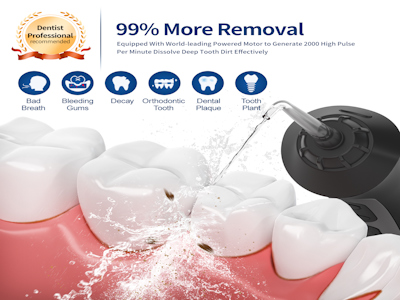
Здоровье полости рта — это неотъемлемая часть общего благополучия человека, и правильный уход за зубами и деснами играет ключевую роль в предотвращении многих заболеваний. Особенно важно уделять внимание выбору зубной щетки, если у вас чувствительные десны. Чувствительность десен может проявляться в виде кровоточивости, боли при чистке зубов или реакций на холодную или горячую пищу. Это часто связано с такими состояниями, как гингивит, пародонтит или просто с индивидуальными особенностями организма. В таких случаях обычные зубные щетки могут усугубить проблему, вызывая дополнительное раздражение. Именно здесь на помощь приходят низкочастотные зубные щетки, которые designed to provide a gentle yet effective cleaning experience.
Низкочастотные зубные щетки, также известные как щетки с мягкой вибрацией или щадящим режимом, работают на сниженных частотах колебаний, typically ranging from 5,000 to 10,000 movements per minute, compared to high-frequency brushes that can exceed 30,000 movements. This reduced intensity helps to minimize trauma to the gums while still effectively removing plaque and debris. For individuals with sensitive gums, this can mean a significant reduction in discomfort and bleeding during brushing. Moreover, these brushes often come with additional features such as pressure sensors, timers, and multiple cleaning modes, which further enhance their suitability for sensitive oral care.
In this comprehensive guide, we will delve into the intricacies of choosing a low-frequency toothbrush for sensitive gums. We will explore the benefits of such brushes, key factors to consider during selection, expert recommendations from dentists, and practical tips for maintaining oral hygiene. By the end of this article, you will be equipped with the knowledge to make an informed decision that promotes long-term gum health and overall oral well-being. Let's start by understanding why low-frequency toothbrushes are particularly beneficial for sensitive gums.
Низкочастотные зубные щетки offer several advantages over traditional manual or high-frequency electric brushes, especially for those with gum sensitivity. First and foremost, their gentle action reduces the risk of gum abrasion and irritation. High-frequency brushes, while effective at plaque removal, can sometimes be too aggressive for delicate gum tissue, leading to increased sensitivity and even recession over time. In contrast, low-frequency brushes provide a soothing massage-like effect that can improve blood circulation in the gums, promoting healing and reducing inflammation.
Another significant benefit is the consistency of cleaning. Electric toothbrushes, in general, provide more uniform brushing motion compared to manual brushing, which often relies on individual technique and can miss hard-to-reach areas. Low-frequency brushes maintain this advantage while being kinder to the gums. Additionally, many models include features like pressure sensors that alert you if you're brushing too hard, preventing unnecessary force that could harm sensitive tissues. This is particularly useful for people who tend to brush aggressively in an attempt to achieve cleaner teeth.
Furthermore, low-frequency toothbrushes are often designed with softer bristles and rounded tips to enhance comfort. The combination of low vibration and soft bristles ensures that the brushing experience is not only effective but also pleasant, encouraging regular use. Regular use of a suitable toothbrush is crucial for preventing gum diseases such as gingivitis, which, if left untreated, can progress to more serious conditions like periodontitis. By choosing a low-frequency brush, you are investing in a tool that supports preventive care and helps maintain gum health over the long term.
It's also worth noting that these brushes can be beneficial for individuals with other oral sensitivities, such as those undergoing orthodontic treatment or with dental restorations like crowns and bridges. The gentle action helps clean around brackets and wires without causing damage or discomfort. Overall, the advantages of low-frequency toothbrushes make them an excellent choice for anyone prioritizing gum health and comfort in their oral care routine.
When selecting a low-frequency toothbrush for sensitive gums, several key factors should be considered to ensure you choose the best option for your needs. First, evaluate the frequency range of the brush. As mentioned, low-frequency typically refers to brushes with movements between 5,000 and 10,000 per minute. However, it's essential to check the specifications provided by the manufacturer, as some brushes may advertise as 'low-frequency' but still operate at higher ranges. Look for models that explicitly state their frequency and emphasize gentleness.
Next, consider the brush head design. For sensitive gums, opt for brush heads with soft or extra-soft bristles. The bristles should be rounded at the tips to prevent scratching the gums and enamel. Some brushes offer interchangeable heads with different bristle types, allowing you to customize based on your sensitivity level. Additionally, the size and shape of the brush head matter; a smaller head can maneuver better around tight spaces and along the gumline, providing a more thorough clean without excessive pressure.
Another important criterion is the presence of additional features. Pressure sensors are highly recommended for sensitive gums, as they help prevent over-brushing. Timers are also beneficial, ensuring you brush for the recommended two minutes, which is crucial for effective plaque removal. Some brushes come with multiple cleaning modes, such as a sensitive mode that reduces frequency further or a massage mode that stimulates gums. Evaluate these features based on your specific needs; for instance, if you have very sensitive gums, a brush with a dedicated sensitive mode might be ideal.
Battery life and charging options are practical considerations. Most electric toothbrushes are rechargeable, with battery life varying from a few days to several weeks on a single charge. For convenience, choose a brush with a long battery life and easy charging, such as inductive charging bases. Also, consider the cost and availability of replacement brush heads, as they need to be changed every three months for hygiene reasons. Investing in a brush with affordable and readily available replacements will make maintenance easier and more cost-effective over time.
Lastly, read reviews and seek recommendations from dental professionals. User reviews can provide insights into real-world performance and comfort, while dentists can offer personalized advice based on your oral health status. By carefully evaluating these criteria, you can select a low-frequency toothbrush that not only meets your needs but also enhances your daily oral care routine.
Dental professionals emphasize the importance of proper technique when using any toothbrush, and low-frequency brushes are no exception. For sensitive gums, dentists recommend holding the brush at a 45-degree angle to the gumline and using gentle, circular motions. This allows the bristles to clean effectively without causing trauma. Avoid pressing too hard; let the brush do the work. The low frequency should provide enough agitation to remove plaque without additional force.
It's also advised to brush for two minutes twice a day, covering all surfaces of the teeth: outer, inner, and chewing surfaces. Using a timer feature on your brush can help ensure you spend adequate time on each quadrant of your mouth. For those with extreme sensitivity, dentists might suggest starting with shorter brushing sessions and gradually increasing the time as your gums become accustomed to the brush.
In addition to brushing, incorporate other oral hygiene practices. Flossing daily is crucial for removing plaque between teeth where brushes can't reach. Using a mouthwash designed for sensitive gums can provide extra protection and soothe irritation. Regular dental check-ups are essential; your dentist can monitor your gum health and adjust recommendations as needed. If you experience persistent bleeding or pain, consult a dentist promptly, as it could indicate an underlying issue that requires professional treatment.
Dentists also highlight the importance of replacing brush heads regularly. Worn-out bristles are less effective at cleaning and can harbor bacteria, potentially exacerbating gum problems. Most manufacturers recommend changing brush heads every three months, or sooner if the bristles show signs of wear. By following these expert tips, you can maximize the benefits of your low-frequency toothbrush and maintain optimal gum health.
Maintaining good oral hygiene goes beyond just choosing the right toothbrush. For individuals with sensitive gums, a holistic approach is necessary. Start with a balanced diet rich in vitamins and minerals that support gum health, such as vitamin C and calcium. Avoid sugary foods and drinks that can contribute to plaque buildup and gum inflammation.
Incorporate gentle oral care products into your routine. Use toothpaste formulated for sensitive teeth and gums, which often contains ingredients like potassium nitrate or stannous fluoride to reduce sensitivity. Avoid abrasive toothpastes that can wear down enamel and irritate gums. When flossing, choose soft floss or water flossers that are less likely to cause trauma to delicate gum tissue.
Stay hydrated, as saliva helps neutralize acids and wash away food particles. If you smoke, consider quitting, as smoking is a major risk factor for gum disease and can worsen sensitivity. Manage stress, as it can contribute to teeth grinding (bruxism), which puts additional pressure on gums and teeth.
Finally, be consistent with your oral care routine. Even with the best toothbrush, irregular brushing can lead to problems. Set reminders if needed, and make oral hygiene a non-negotiable part of your day. By combining the right tools with good habits, you can protect your gums and enjoy a healthier, more comfortable smile.
Choosing a low-frequency toothbrush for sensitive gums is a smart investment in your oral health. These brushes offer a gentle yet effective cleaning experience that reduces irritation and promotes gum healing. By considering factors like frequency, brush head design, and additional features, you can find a model that suits your needs. Remember to follow dental advice, maintain good oral hygiene practices, and replace brush heads regularly. With the right approach, you can keep your gums healthy and your smile bright for years to come. Take action today by evaluating your current oral care routine and making the switch to a low-frequency toothbrush if needed—it's a small change that can make a big difference.
 1388xx888xx