

Горячая линия1388xx888xx
ВозвращениеТекущее местоположение: Главная страница> Информационный центр> Выбирайте лучшие материалы для вашей электрической зубной щетки
Время публикации:2025-12-06 12:01:10
Подробное руководство по выбору материалов для электрических зубных щеток, включая обзоры щетины, ручек, технологий и рекомендации для оптимальной гигиены полости рта.
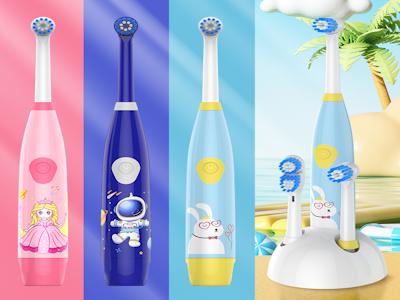
В современном мире забота о здоровье полости рта становится все более важной, и электрические зубные щетки играют ключевую роль в этом процессе. Но знаете ли вы, что материалы, из которых изготовлена ваша щетка, могут значительно повлиять на эффективность чистки и ваше общее здоровье? В этой статье мы глубоко погрузимся в мир материалов для электрических зубных щеток, чтобы помочь вам сделать осознанный выбор. От щетины до ручки, от технологий до экологичности — мы рассмотрим все аспекты, которые делают щетку не просто инструментом, а надежным партнером в борьбе за безупречную улыбку.
Электрические зубные щетки стали неотъемлемой частью повседневной гигиены для миллионов людей по всему миру. Они предлагают превосходную очистку по сравнению с традиционными щетками, благодаря колебательным или вращательным движениям. Однако, эффективность щетки во многом зависит от материалов, используемых в ее конструкции. Некачественные материалы могут привести к быстрому износу, снижению эффективности чистки и даже к проблемам со здоровьем, таким как раздражение десен или аллергические реакции.
Например, щетина из жестких или некачественных волокон может повредить эмаль или вызвать кровоточивость десен. Ручка из дешевого пластика может стать скользкой во влажных условиях, увеличивая риск падения и поломки. Кроме того, материалы влияют на долговечность щетки: высококачественные компоненты служат дольше, экономя ваши деньги и уменьшая воздействие на окружающую среду за счет меньшего количества отходов.
В этой статье мы разберем каждый компонент электрической зубной щетки: щетину, головку, ручку, аккумулятор и дополнительные функции. Мы предоставим практические советы по выбору, основанные на научных исследованиях и экспертных мнениях, чтобы вы могли инвестировать в продукт, который действительно работает на ваше здоровье.
Щетина — это сердце любой зубной щетки, и в электрических моделях она играет особенно важную роль. Основные типы материалов для щетины включают нейлон, силикон и комбинированные варианты. Нейлон является самым распространенным материалом благодаря своей прочности, гибкости и способности эффективно удалять налет. Он доступен в различных уровнях жесткости: мягкая, средняя и жесткая щетина. Для большинства людей мягкая щетина рекомендуется, так как она gentle on gums and enamel, reducing the risk of damage.
Силиконовая щетина становится все популярнее due to its gentle nature and hypoallergenic properties. It is ideal for people with sensitive teeth or gums, as it provides a massage-like effect while cleaning. However, silicone may be less effective at removing stubborn plaque compared to nylon. Combo brushes, which feature both nylon and silicone bristles, offer a balanced approach, combining cleaning power with comfort.
When choosing bristle material, consider your oral health needs. For example, if you have receding gums, opt for soft nylon or silicone. Look for brushes with rounded bristle tips, as they are less likely to cause abrasion. Additionally, check for certifications like the ADA (American Dental Association) seal of approval, which ensures the bristles meet safety and effectiveness standards.
Innovations in bristle technology include antimicrobial coatings or infused materials that help reduce bacterial growth on the brush head. This is particularly important for maintaining hygiene between uses. Remember to replace the brush head every 3-4 months, as worn bristles lose their effectiveness and can harbor bacteria.
Ручка электрической зубной щетки должна быть ergonomic, durable, and easy to grip, especially when wet. Common materials for handles include plastic, rubber, and metal components. High-quality plastics like ABS or polypropylene are lightweight, waterproof, and resistant to cracking. They are often used in budget-friendly models but can be prone to slipping if not designed with texture.
Rubberized grips are added to many premium brushes to enhance comfort and prevent slipping. These materials provide a secure hold, making brushing easier and more effective. Some handles incorporate antimicrobial agents to keep them clean, which is a plus for overall hygiene.
For longevity, look for handles with reinforced structures or metal cores in higher-end models. These offer better balance and durability, though they may increase the weight. Waterproofing is crucial; ensure the handle has an IPX7 rating or similar, meaning it can withstand immersion in water, which is common in bathroom environments.
Eco-friendly options are emerging, with handles made from recycled materials or biodegradable plastics. If sustainability is a concern, research brands that prioritize environmental responsibility. A well-designed handle not only improves user experience but also contributes to the brush's overall lifespan.
Головка щетки — это часть, которая непосредственно контактирует с зубами, и ее материалы и design critically impact cleaning performance. Most brush heads are made from plastic, similar to handles, but with attention to flexibility and shape. Oval or round heads are common, as they fit better into the mouth and allow for access to hard-to-reach areas.
Some advanced models feature brush heads with different bristle zones: for example, longer bristles on the edges for gumline cleaning and shorter ones for surface cleaning. Materials may include flexible hinges or joints that adapt to the contours of your teeth, enhancing plaque removal.
Interchangeable heads are a key feature; ensure the connection mechanism is made from durable materials to prevent wear over time. Metal components in the connection can offer better longevity but may be more expensive. Look for heads that are easy to snap on and off for convenient replacement.
Cleaning indicators, such as color-changing bristles, are often integrated into the head material to signal when it's time for a change. These smart features rely on special dyes or materials that fade with use, adding a layer of convenience to your oral care routine.
Электрические зубные щетки питаются от аккумуляторов, обычно литий-ионных, которые известны своей долговечностью и fast charging capabilities. The materials used in batteries affect runtime and safety. High-quality cells ensure longer use between charges—up to weeks for some models—and reduce the risk of overheating or failure.
The electronic components, including motors and circuits, are housed in materials that protect against water and shock. Sealed designs with silicone gaskets or epoxy coatings prevent moisture ingress, which is essential for bathroom use. Motors made from precision materials provide consistent oscillations or rotations, crucial for effective cleaning.
Some brushes feature smart sensors or connectivity options, requiring advanced materials for components like Bluetooth modules. These add-ons should be robust to withstand daily use. When choosing a brush, consider the warranty and brand reputation for electronics reliability.
Charging bases often use materials like plastic with non-slip bottoms, and inductive charging technology eliminates exposed metal parts, reducing corrosion risk. Overall, the quality of electronic materials directly impacts the brush's performance and lifespan.
Modern electric toothbrushes come with extras like pressure sensors, timers, and app connectivity. Pressure sensors, often made from piezoelectric materials, alert you if you're brushing too hard, protecting your gums. These materials need to be sensitive yet durable to handle repeated use.
Timers and quadrant pacers rely on electronic displays or LED lights, which use materials like OLED or plastic diffusers. Ensure these are bright and clear for easy reading. App connectivity involves materials for antennas and housing that don't interfere with signal strength.
Some brushes include travel cases made from hard plastics or silicone to protect the brush on the go. These materials should be impact-resistant and easy to clean. UV sanitizers built into cases use materials that can withstand UV light without degrading.
When evaluating additional features, prioritize those that enhance your brushing experience without compromising on material quality. For instance, a brush with a good pressure sensor made from reliable materials can prevent long-term dental issues.
With growing environmental awareness, many consumers seek eco-friendly toothbrushes. Materials play a big role here. Look for brushes with handles made from recycled plastics, bamboo, or other biodegradable materials. Bamboo handles are sustainable but may not be as durable as plastic; they require proper care to avoid mold.
Brush heads are trickier, as they involve multiple materials. Some brands offer recyclable heads or take-back programs. Biodegradable bristles are emerging but still rare; most are nylon-based, which is not biodegradable. However, companies are developing plant-based alternatives.
Packaging is another aspect: opt for brands that use minimal, recyclable packaging. By choosing products with eco-friendly materials, you reduce plastic waste and support sustainable practices. Remember, even small choices can make a difference for the environment.
When shopping, check for certifications like Forest Stewardship Council (FSC) for wood products or pledges from brands to reduce carbon footprint. Balancing performance with eco-consciousness is key for a responsible choice.
Selecting the best electric toothbrush involves considering your specific needs and the materials used. Start by assessing your oral health: if you have sensitivity, prioritize soft bristles and gentle materials. For general use, a medium-soft nylon bristle brush is a safe bet.
Read reviews and look for brands with strong reputations, such as Oral-B, Philips Sonicare, or lesser-known eco-friendly options. Check the product specifications for material details—avoid brushes with vague descriptions, as they might use inferior components.
Test the grip if possible; a handle with a rubberized coating can prevent accidents. Consider the cost of replacement heads; ensure they are affordable and made from quality materials. Don't forget to factor in battery life and charging options.
Finally, consult with your dentist for personalized recommendations. They can advise based on your dental history and needs. Investing in a high-quality brush with superior materials can save you money on dental treatments in the long run and contribute to better overall health.
Выбор материалов для электрической зубной щетки — это не просто вопрос предпочтений; это решение, которое влияет на ваше здоровье полости рта, комфорт и даже на окружающую среду. От щетины, которая должна быть мягкой и эффективной, до ручки, обеспечивающей надежный хват, и электронных компонентов, гарантирующих долговечность, каждый аспект важен. Современные технологии предлагают инновационные материалы, такие как антимикробные покрытия и экологичные альтернативы, делая уход за зубами более умным и sustainable.
Помните, что регулярная замена насадок и соблюдение гигиены способствуют максимальной эффективности вашей щетки. Investing in a brush made from high-quality materials might cost more upfront, but it pays off through better cleaning, fewer dental issues, and a longer product life. Ultimately, your smile deserves the best—so take the time to choose wisely and enjoy the benefits of a truly superior electric toothbrush.
Спасибо, что прочитали эту статью. Мы надеемся, что она помогла вам сделать informed decision. For more tips on oral care, follow our blog or consult with dental professionals. Здоровья вашей улыбке!
Примечание: Эта статья носит информационный характер и не заменяет консультацию стоматолога. Всегда советуйтесь со специалистом для personalized advice.
 1388xx888xx