

Горячая линия1388xx888xx


ВозвращениеТекущее местоположение: Главная страница> Информационный центр> Почему важно сохранять упаковку от производителя для гарантии
Время публикации:2025-12-05 12:01:10
Статья обсуждает важность сохранения оригинальной упаковки от производителя для гарантийного обслуживания, включая юридические, практические и потребительские аспекты.
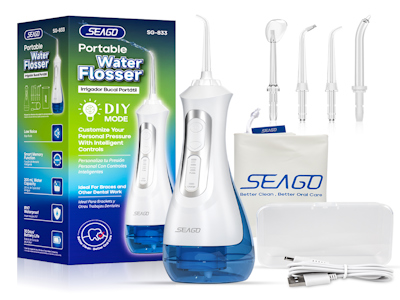
В современном мире потребительских товаров гарантия играет ключевую роль в обеспечении доверия между покупателем и производителем. Одним из часто упускаемых, но критически важных элементов гарантийного процесса является сохранение оригинальной упаковки от производителя. Многие люди, купив новый продукт, спешат избавиться от коробки, считая ее ненужным хламом. Однако, это решение может привести к серьезным проблемам при попытке воспользоваться гарантийными обязательствами. В данной статье мы подробно рассмотрим, почему сохранение упаковки так важно, охватывая юридические, практические и потребительские аспекты. Мы углубимся в историю гарантий, современные практики, и предложим советы по эффективному хранению упаковки. Эта информация поможет вам избежать разочарований и максимально использовать преимущества гарантии.
Гарантийные обязательства существуют уже centuries, evolving from simple verbal promises to complex legal documents. In ancient times, merchants would often provide assurances for their goods, but it wasn't until the industrial revolution that standardized warranties became common. The packaging, initially just a means of protection during transport, gradually gained importance as a symbol of authenticity and quality. For example, in the 19th century, companies like Sears in the US used distinctive packaging to build brand trust. In Russia, the concept of гарантия (warranty) was formalized during the Soviet era with ГОСТ standards, which often required original packaging for claims. Today, in the digital age, while e-receipts and online registrations are prevalent, physical packaging remains a tangible proof of purchase and origin. Understanding this history highlights why manufacturers insist on keeping the box—it's a legacy of trust and verification that has stood the test of time.
С юридической точки зрения, гарантия—это legally binding承诺 от производителя исправить или заменить defective товары в течение определенного периода. В России, гарантийные права регулируются Гражданским кодексом и Законом о защите прав потребителей. Согласно статье 469 ГК РФ, товар должен соответствовать описанию, и упаковка often служит part of that description. Например, если продукт продается в specific упаковке с серийным номером или штрих-кодом, его отсутствие может осложнить доказательство purchase date and authenticity. Производители имеют право требовать original упаковку для verification, чтобы предотвратить fraud, such as returning stolen or used items. Courts have upheld cases where warranty claims were denied due to missing packaging, as it helps establish the chain of custody. Thus, from a legal standpoint, keeping the packaging is not just recommended; it's often necessary to enforce your rights under consumer protection laws.
Beyond legal requirements, there are numerous practical benefits to retaining the original packaging. First, it facilitates easy and safe transportation of the product for repairs or returns. Many items, especially electronics like smartphones or laptops, are designed to fit perfectly in their original boxes with custom foam inserts that prevent damage during shipping. Second, the packaging often contains essential information such as model numbers, serial numbers, and instructional manuals that are crucial for troubleshooting and warranty claims. For instance, if you need to contact customer service, having the box handy speeds up the process. Additionally, some manufacturers offer extended warranties or promotions that require proof of purchase, which is easily accessible from the packaging. Statistics show that consumers who keep their packaging report higher satisfaction rates with warranty services, as it reduces hassle and delays. In short, it's a small effort that pays off in convenience and peace of mind.
When you initiate a warranty claim, the process typically involves verification of the product's authenticity and purchase details. Service centers and manufacturers use the packaging to cross-reference information like batch numbers, manufacturing dates, and distribution channels. This helps in identifying recalls or common issues associated with specific lots. For example, if a product is subject to a safety recall, the packaging might have unique identifiers that alert the manufacturer. Moreover, during repairs, technicians often refer to the original packaging for disassembly and reassembly instructions, ensuring that the product is handled correctly. In cases where replacements are offered, the original packaging might be required to send the defective unit back. Anecdotes from service centers reveal that claims without packaging take longer to process and are more prone to errors, leading to frustrations for both consumers and companies. Thus, the packaging acts as a key facilitator in the warranty ecosystem.
To illustrate the importance, consider real-life scenarios. Take the case of Ivan from Moscow, who bought a high-end television. After six months, the screen developed a fault. He had kept the original box and was able to quickly ship it for repair without additional costs for protective packaging. In contrast, his friend Olga discarded the box and faced delays and extra charges when trying to claim warranty. Another example involves a smartphone manufacturer that denied a warranty claim because the serial number on the phone didn't match the box, indicating possible tampering or second-hand sale. In the automotive industry, keeping the original packaging for parts like batteries or tires can streamline recalls. These stories underscore that the packaging is not just trash; it's a valuable asset that can make or break your warranty experience. Consumers who learn from such examples are more likely to adopt the habit of preservation.
Storing packaging doesn't have to be a burden. Here are some practical tips: First, flatten the boxes if possible to save space. For larger items, consider storing the packaging in a garage, attic, or under the bed. Second, label the boxes with the purchase date and product name for easy reference. Digitalize any important documents from the packaging by taking photos or scans, but keep the physical copy as backup. Third, for expensive items, retain the packaging for at least the duration of the warranty period, which is typically 1-2 years, but check the specific terms. Some consumers even use the original packaging for resale value, as items in original packaging often fetch higher prices on secondary markets. Lastly, educate family members about the importance to avoid accidental disposal. By integrating these habits, you can ensure that you're prepared for any warranty needs without cluttering your home unnecessarily.
In conclusion, preserving the original packaging from the manufacturer is a small yet significant step that safeguards your investment and rights as a consumer. It bridges the gap between purchase and potential issues, providing a smooth path for warranty claims. From legal protections to practical conveniences, the benefits are clear. As technology advances, perhaps digital solutions will reduce the reliance on physical packaging, but for now, it remains a cornerstone of consumer assurance. I encourage all buyers to make it a habit—keep that box, and you'll thank yourself later. Remember, in the world of warranties, the packaging is more than just a container; it's your ticket to peace of mind and reliable service.
 1388xx888xx